
EUSKLINIC · INSIGHTS
The Importance of Continuing Training in a Clinic Team
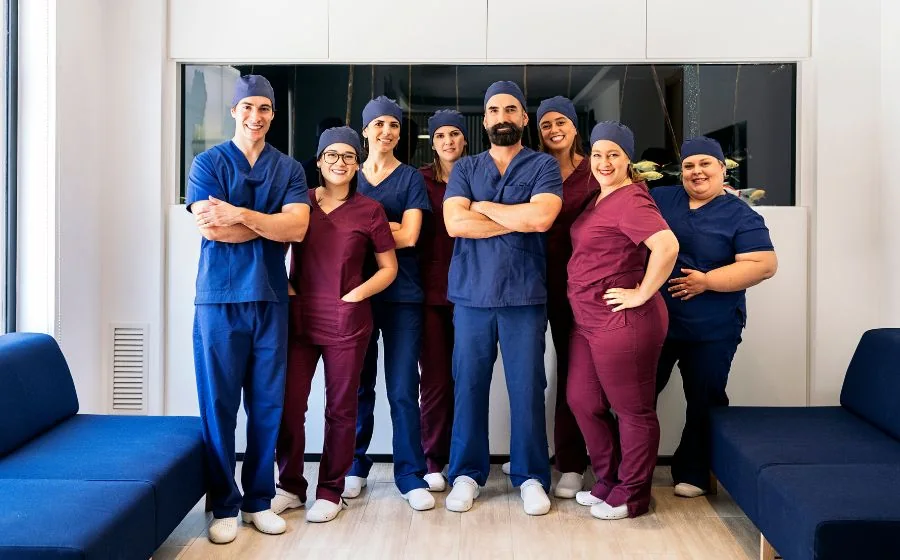
Continuing training is an essential component for the success of any clinic, whether dental or aesthetic. In a constantly evolving sector, where technologies, techniques and patient expectations change rapidly, keeping professionals up to date is not only a competitive advantage, but a necessity. This article explores the reasons why ongoing training is crucial and how to implement it effectively.
1. Stay at the forefront of the Sector
The field of health and aesthetics is in constant innovation. New technologies, materials and procedures appear regularly, and it is essential that the team is prepared to adopt them. Continuous training allows:
- Update technical knowledge: Learn to use new equipment or materials.
- Adapt to trends: Incorporate innovative treatments that attract more patients.
- Comply with regulations: Ensure the clinic is aligned with the latest regulatory and ethical standards.
2. Improve Service Quality
A well-trained team offers a higher quality service, which directly impacts patient satisfaction. Continuing training helps:
- Refine skills: Improve clinical and administrative techniques.
- Reduce errors: Reduce risks associated with outdated or poorly executed procedures.
- Increase patient confidence: A trained team generates greater trust and loyalty.
3. Increase Team Motivation and Commitment
The opportunity to learn and grow professionally is a powerful motivator for employees. Investing in ongoing training shows that the clinic values its team, which translates into:
- Greater job satisfaction: Employees feel appreciated and supported.
- Turnover reduction: A motivated team is less likely to look for opportunities elsewhere.
- Fostering collaboration: Training programs can strengthen internal relationships and teamwork.
4. Increase Clinic Profitability
Although continuing education represents an investment, the long-term financial benefits are significant. By being better prepared, employees can:
- Increase efficiency: Complete procedures more quickly and accurately.
- Build patient loyalty: High-quality service increases referrals and repeat visits.
- Optimize the use of resources: Reduce waste and costs associated with errors or inefficient procedures.
5. Promote Innovation
Continuous training not only improves existing skills, but also stimulates creativity and the ability to innovate. Trained employees can:
- Propose new ideas: Identify areas of improvement in processes and services.
- Adapt to change: Face market challenges with greater confidence.
- Boost clinic reputation: Position the business as a benchmark in quality and innovation.
6. How to Implement a Continuing Training Program
To ensure the success of continuing training, it is important to plan and structure the program appropriately. Some key steps include:
- Identify needs: Conduct an initial assessment to determine areas requiring improvement.
- Set clear goals: Define specific goals for each training session.
- Select suitable formats: Opt for in-person workshops, online courses, conferences or mentoring programs.
- Involve the team: Allow employees to participate in the selection of topics and modalities.
- Evaluate results: Measure the impact of training on team performance and make adjustments as necessary.
Apply it in your clinic
The next step is to turn these ideas into action: assess the starting point, select a priority, assign owners and review results with indicators. We can help you build that plan.
Discuss my clinic


