EUSKLINIC · INSIGHTS
How to Improve Internal Communication in your Dental or Aesthetic Clinic
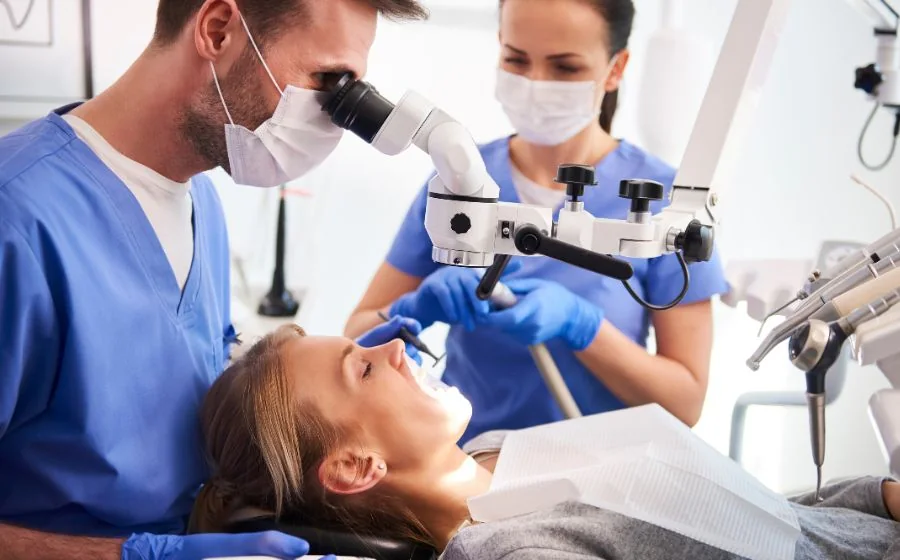
Internal communication is a fundamental pillar for the success of any dental or aesthetic clinic. Good communication not only improves the work environment, but also optimizes processes, increases patient satisfaction, and encourages collaboration among team members. In this article, we will explore practical strategies to strengthen internal communication and ensure that your clinic operates efficiently and harmoniously.
1. Establish Clear Communication Channels
One of the biggest challenges in internal communication is the lack of clarity in the channels used. To avoid misunderstandings:
- Define official channels: Use tools such as emails, messaging applications (WhatsApp Business, Slack) or management platforms (Trello, Asana).
- Create communication protocols: Specifies what type of information should be shared by each channel.
- Avoid saturation: Centralize important information in one place accessible to everyone.
2. Encourage Periodic Meetings
Meetings are a key tool for aligning the team and solving problems. To be effective:
- Schedule regular meetings: Weekly or monthly, depending on the needs of the clinic.
- Define an agenda: Make sure the topics are relevant and covered in the stipulated time.
- Promotes participation: Invite all members to share ideas, concerns and suggestions.
3. Promote a Culture of Feedback
Feedback is essential for individual and collective growth. To implement it effectively:
- Encourage constructive feedback: Establish an environment where employees can express their opinions without fear.
- Conduct regular evaluations: Bring the team together to discuss strengths and areas for improvement.
- Listen actively: Make sure concerns are addressed and suggestions valued.
4. Use Technology to Improve Communication
Technological tools can greatly facilitate internal communication. Consider:
- Task management platforms: Like ClickUp or Monday.com, to organize projects and assign responsibilities.
- Instant messaging applications: For quick communication between team members.
- Clinic management software: That integrates calendars, reminders and real-time updates.
5. Train the Team in Communication Skills
Not all team members have the same communication skills. To improve:
- Organize workshops: On topics such as active listening, assertive communication and conflict resolution.
- Provides resources: Books, articles or online courses that reinforce these skills.
- Establish internal mentors: May they guide others in the development of communication skills.
6. Create an Open and Transparent Environment
Transparency fosters trust and strengthens working relationships. To achieve this:
- Share relevant information: Such as financial results, clinic achievements and future goals.
- Recognize achievements: Celebrate team and individual success.
- Facilitates access to the director or manager: Maintain an open-door policy to resolve questions or concerns.
7. Manage Conflicts Proactively
Conflicts are inevitable, but good communication can prevent them from escalating. To manage them:
- Identify the causes: Understand the origin of the conflict before acting.
- Media impartially: Listen to all parties involved and seek equitable solutions.
- Learn from conflicts: Use experiences to implement improvements in communication.
8. Evaluate and Improve Continuously
Internal communication must adapt to the changing needs of the clinic. To guarantee its effectiveness:
- Conduct internal satisfaction surveys: Ask the team about the aspects they consider that could be improved.
- Monitor the results: Evaluate whether the strategies implemented have had a positive impact.
- Update practices: Introduces new methods or tools as necessary.
Apply it in your clinic
The next step is to turn these ideas into action: assess the starting point, select a priority, assign owners and review results with indicators. We can help you build that plan.
Discuss my clinic