
EUSKLINIC · INSIGHTS
Dental coaching as a management tool
Article
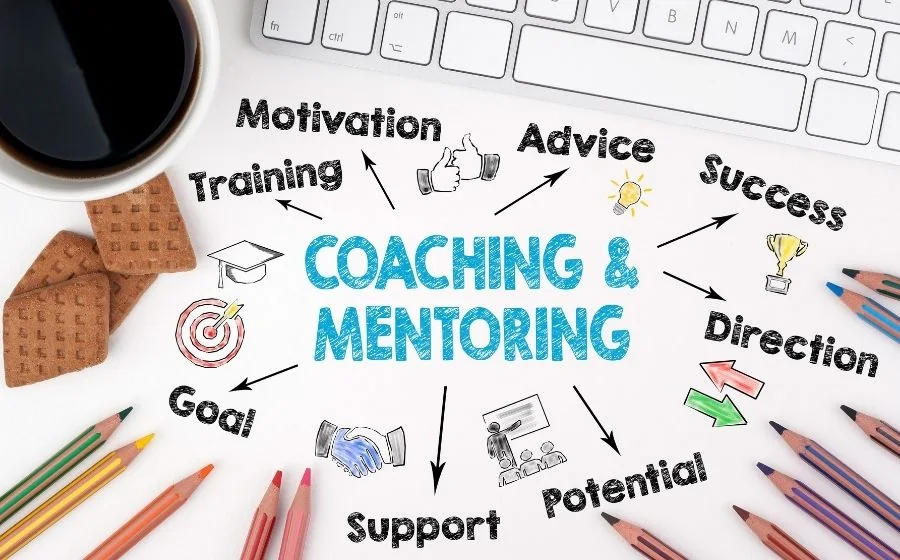
Dental coaching for skills development Dental skills coaching is carried out in relatively short periods of time, with an agreed number of sessions depending on the achievement of the objective, which can range between 3 and 6 months. To achieve this, these competencies are transformed into observable behaviors. Dental Leadership Development Coaching This process is longer than the previous one, and can last between one and two years. Dental leadership development coaching is focused on forging leaders or facilitating the transition from bosses to leaders, understanding a leader as someone who is capable of bringing to light the full potential of their collaborators, linking them to the project and getting people to want to do what they should do. It is a global process, where multiple aspects of the coachee (person receiving coaching) and various competencies are touched upon, to achieve a comprehensive leader, based above all on self-leadership, essential for leading others. For a coaching process to work, it must have a set of essential elements. Good communication between coach and coachee, without this, it is impossible for coaching to work. The coach must offer total respect towards the client, and not judge, but simply analyze the information. For the process to be carried out, there must be an affirmative answer from the coachee to these three questions: –Do you really want to achieve the set objective? –Are you willing to work hard on it? –Are you willing to question things and also yourself? If the answers are not truly yes, there is a good chance that the coaching will not work. Not everyone is prepared to face a coaching process, despite it being the most effective tool known for lasting personal and professional change. The entire coaching process is confidential between coach and coachee. This means that there is complete confidence to be able to discuss in the sessions those topics that arise and are important. In cases where the coachee is not the owner of the clinic, the company management must have partial reports on the evolution of the process, which include: – Measurable results of 360º, 270º or 180º feedback. – Results of the applied leadership measurement tests. – Objectives set for the process. – Actions taken. – Results obtained. Although it is true that the business aspect is discussed, it is impossible to separate the professional aspect from the personal aspect, since the human being is integral. Therefore, those topics that are influencing the current situation of the clinic and act as an obstacle to achieving the objectives set by the company will be discussed. Coaching is a process where the coach's work is limited to the coachee finding the answers within themselves. Therefore, the methodology is based on the art of asking, and not giving solutions by the coach. It is about training the person responsible for managing the clinic, in order to generate independence. Let him integrate and use in his day-to-day life for decision-making what he discovers, for himself. The techniques used in coaching processes have ingredients such as emotional intelligence, ontological coaching and neurolinguistic programming. In general, dental coaching seeks at all times for the coachee to expand their mind and have a wide range of options to choose from. 1. Holding a meeting with the clinic management to determine if coaching is necessary, and the possible candidates and objective. Steps of a coaching process 2. Meeting between the coach and the potential coachee to determine the suitability of the coaching. 3. Meeting of clinic management, coach and coachee to align and set objectives. 4. 360º, 270º or 180º Feedback Process to obtain information on the coachee's strong areas and areas for improvement, appreciated by himself and his environment. 5. Competency test, leadership test, or any other that allows the coachee's abilities to be scientifically measured in relation to the achievement of objectives. 6. Meeting with the coachee to report the results of the feedback and tests. 7. Beginning of sessions. Determination and analysis of where we are today with respect to the desired objective (current situation). 8. What does the coachee have in his or her favor to achieve the objective. 9. What barriers and resistance are going to come between the coachee and the objective. 10. What options does the coachee have to act, generate ideas and select them. 11. Generate the commitment to act to get closer to the set objective. 12. Propose an action plan with concrete facts and its implementation. Dental coaching is a combination of self-reflection, self-observation, and, necessarily, a concrete action plan. In fact, from session to session, specific actions are always proposed that are then analyzed for their results in the next meeting. The importance of the coaching process is not in the sessions themselves, but in what happens between the sessions. And due to the importance given to the action plan, when setting objectives it is always asked that the dental coaching process be realistic, specific, measurable, achievable and tangible. The duration of the sessions can range between one and four hours, and are usually face-to-face, although increasingly the telephone is also used, especially when traveling, so as not to interfere with the continuity of the process. Dental coaching is probably the most effective improvement management tool that currently exists. It is not a magic wand, because it is based on serious work. The success of the process depends on the will and desire of the coachee, basically. In fact, today, and since coaching is a philosophy of life and people management – based on believing in people's potential and not judging them by what they have done so far, but by what they could do, plus promoting personal responsibility, commitment and encouraging authentic delegation –, it is an essential management model for organizations that believe in their people, that perceive them as their main added value, and have a project not only in the short, but also in the medium and long term, destined to last longer than any economic crisis.Apply it in your clinic
The next step is to turn these ideas into action: assess the starting point, select a priority, assign owners and review results with indicators. We can help you build that plan.
Discuss my clinic


